Read time : min
Understanding Late Periods: An Ayurvedic Perspective
As an Ayurvedic practitioner, I frequently encounter women seeking guidance for irregular cycles, particularly delayed menstruation. Late periods, while occasionally a cause for concern, can often be addressed through a holistic approach that nourishes the body and brings it back into balance.

In Ayurveda, our ancient Indian medical system, menstruation is seen as a reflection of a woman's overall health. A delayed period can be a signal from the body that something is amiss. The root causes can be varied, ranging from:
-
Doshic Imbalances: Ayurveda recognizes three primary energies, or doshas, that govern our physiology and wellbeing: Vata (air and space), Pitta (fire and water), and Kapha (earth and water). An imbalance in any of these doshas can disrupt the hormonal cycle, leading to late periods. For example, excess Vata can cause erratic cycles, while Pitta dominance can manifest as heavy or scanty periods.
-
Stress: In today's fast-paced world, chronic stress is a major culprit behind menstrual irregularities. Stress disrupts the delicate hormonal balance, impacting the release of progesterone and estrogen, which are crucial for regulating menstruation.
-
Dietary Habits: An improper diet lacking in essential nutrients can weaken the body's reproductive system, leading to delayed periods. Conversely, excessive consumption of processed foods, caffeine, and refined sugars can further aggravate the problem.
- Lifestyle Factors: Factors like excessive exercise, sudden weight changes, and sleep disturbances can all affect the menstrual cycle.
Statistics on Delayed Periods

Research suggests that delayed periods are actually quite common. Here are some statistics to consider:
- Up to 20% of women experience occasional irregular periods [1].
- Approximately 1 in 3 women will have irregular periods at some point in their lives [2].
- Teenagers and women nearing menopause are more likely to have irregular periods [3].
Restoring Balance: The Ayurvedic Approach
The good news is that Ayurveda offers a natural and effective approach to managing late periods. Here are some key strategies:
-
Dietary Adjustments: Following a balanced, sattvic diet rich in whole grains, legumes, fresh vegetables, and fruits can provide the body with the necessary nourishment to regulate your cycle.
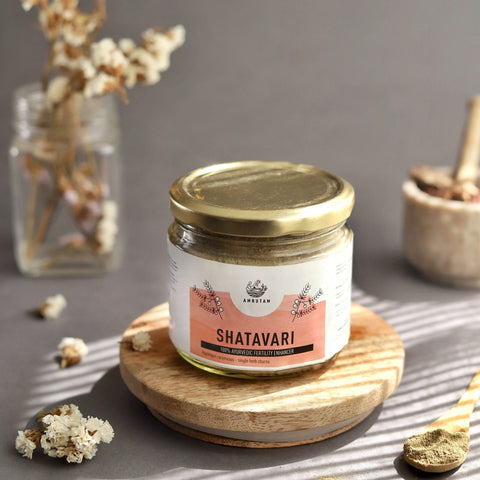
- Herbal Support: Certain Ayurvedic herbs like Shatavari and Ashoka can be beneficial in regulating menstruation. These herbs are known to support the female reproductive system and balance hormones.
-
Stress Management: Practices like yoga, meditation, and pranayama (breathing exercises) can help manage stress and promote hormonal balance.
- Nari Sondarya Malt: This unique Ayurvedic formulation, specifically designed for women's health, can be a valuable addition to your routine. Nari Sondarya Malt is a gentle and natural way to support a healthy menstrual cycle. It is often a blend of herbs like Shatavari, Vidarikand, and Ashwagandha, which work synergistically to nourish the female reproductive system and promote hormonal balance.

Remember, seeking professional guidance is crucial. An Ayurvedic practitioner can help you identify the underlying cause of your late periods and develop a personalized treatment plan to restore balance and regularity to your menstrual cycle.
By embracing a holistic approach that incorporates dietary adjustments, herbal support, stress management techniques, and natural formulations like Nari Sondarya Malt, you can work towards achieving healthy, regular periods and a sense of overall well-being.
References:
- [1] National Institutes of Health (NIH) https://www.nichd.nih.gov/health/topics/factsheets/menstruation
- [2] American College of Obstetricians and Gynecologists (ACOG) https://my.clevelandclinic.org/health/diseases/14633-abnormal-menstruation-periods
- [3] Office on Women's Health (OWH) - U.S. Department of Health and Human Services https://www.womenshealth.gov/