Check out the Amrutam's Premium Ayurvedic Recipes for healthy hair.
Read time : min
Read time : min
Don't you wish you had healthy hair? We all do. Is your hair behaving badly? The state of your hair can reflect your health and inner well being. Which can, in turn, affect your mood and confidence? This week is the time to give your hair the attention it so richly deserves.
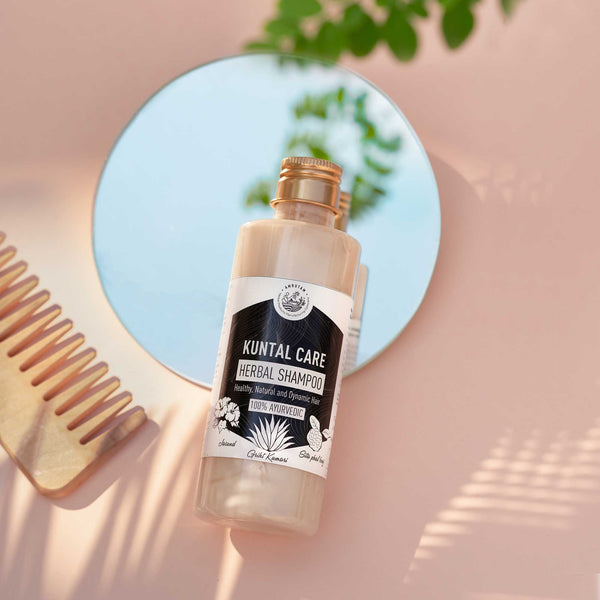
Concentrate on cleansing your scalp rather than your hair, using Kuntal Care Herbal Shampoo. When you are shampooing, focus on massaging your scalp with your palms and fingertips, to relax the skin, encourage blood circulation and help increase cell renewal.
Damaged hair looks dull because the cuticles are disturbed or weakened. When the cuticles lie flat, your hair looks shiny and it’s also better protected from further damage. This weekend, set aside half an hour for a thorough shampooing. Here’s how:
Happy Shampooing!
Check out the Amrutam's Premium Ayurvedic Recipes

Ubtan for sensitive skin calls for fine powders, short contact time, and no scrubbing. Patch-test first to gently reduce redness and irritation.

Ubtan vs face scrub differs in texture and technique. Compare particle size and practical guidance for sensitive, dry, oily, and acne-prone skin types.

Hair spa before or after heat styling? Get clear timing, heat-protection, and recovery tips for smoother, better-conditioned hair between salon visits.

Aloe vera gel as a makeup primer offers lightweight hydration. See how to layer it, prevent pilling, and pair it with the right foundation for your skin.

Ubtan before makeup works best 2-3 hours ahead for most skin types; get skin-specific timing and prep tips for a smooth foundation base without irritation.

Know when to wash hair before a festival: timing for oily, dry, and curly hair, plus prep for braids, blowouts, and heat styling for polished festive styling.

Use ubtan with active ingredients more carefully: space retinol, acids, and vitamin C apart, watch for irritation, and protect your skin barrier each day.

Ayurvedic malt for women: clear facts on safety, PCOS claims, ingredients, and weight concerns, with practical guidance for informed use.
Imbalances are unique to each person and require customised treatment plans to curb the issue from the root cause fully. Book your consultation - download our app now!